

Course description
The Camera/Light Cinematography program in Warsaw offered by AMA is an innovative, semester-based advanced-level course modeled after educational standards from Western Europe, designed to prepare students for professional work in technical cinematography roles. Graduates of the program are ready to enter the professional audiovisual industry in the following roles:
- Camera Operator
- Focus Puller Assistant
- DIT (Digital Imaging Technician) Assistant
- Lighting Technician (Gaffer)
All classes in the Camera/Lighting Operator program are held in Warsaw. Practical classes take place at the AMA facility, as well as at rental companies and on film sets.
The program is supported by PRG CINEGATE
Camera/Light
A professional, practical, semester-long advanced-level course covering the following roles: cinematographer, camera operator, focus puller, DIT assistant, and gaffer. The program prepares students to work independently on a film set. The program is offered at AMA Warsaw.
In addition,
Courses at professional rental companies
Courses in cinematography, camera operation, grip, and lighting
School and extracurricular film projects
Work at AMA TV
Duration
1 semester. One semester consists of 8 sessions held every 2 weeks. Classes are held on Fridays from 4:00 p.m. to 8:00 p.m. and on Saturdays and Sundays from 10:00 a.m. to 6:00 p.m.
Start your education in this course

The program is sponsored by PRG Cinegate, an international rental company.
In addition, the cinematography classes are supported by Poland’s leading film equipment companies:
Heliograf, Panavision Poland, Grip Seven
The Camera/Light Operator program at AMA Warsaw is an intensive course that prepares students for careers such as: Camera Operator (Pan Operator), Assistant Camera Operator, Focus Puller, Assistant DIT (Digital Imaging Technician), Gaffer, and Camera Operator. Graduates of the program are ready to begin working in the audiovisual industry.
Students learn the fundamentals of cinematography as well as practical technical and technological aspects in the following fields: camera operator, focus puller, DIT, gaffer, and cinematography. Classes are conducted in Polish, and professional terminology is taught in Polish, English, and German.
The Camera/Lighting Operator program at AMA in Warsaw is a dynamic and modern educational program that sets new standards in professional training for technical careers in the audiovisual industry. This one-semester program not only teaches advanced filmmaking techniques but also adapts to the ever-changing trends and technologies in film production.
Modernity and Innovation: The program focuses on the latest technologies in the industry, such as:
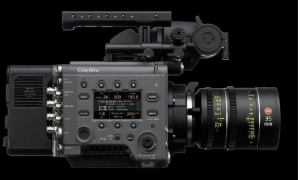
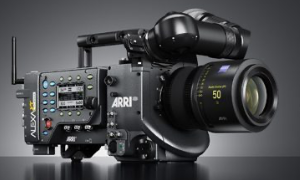
- 4K and 8K digital cameras from leading manufacturers such as Arri, Sony, Canon, and BlackMagic
- Advanced filming techniques, including the use of stabilizers, tracking shots, and cranes
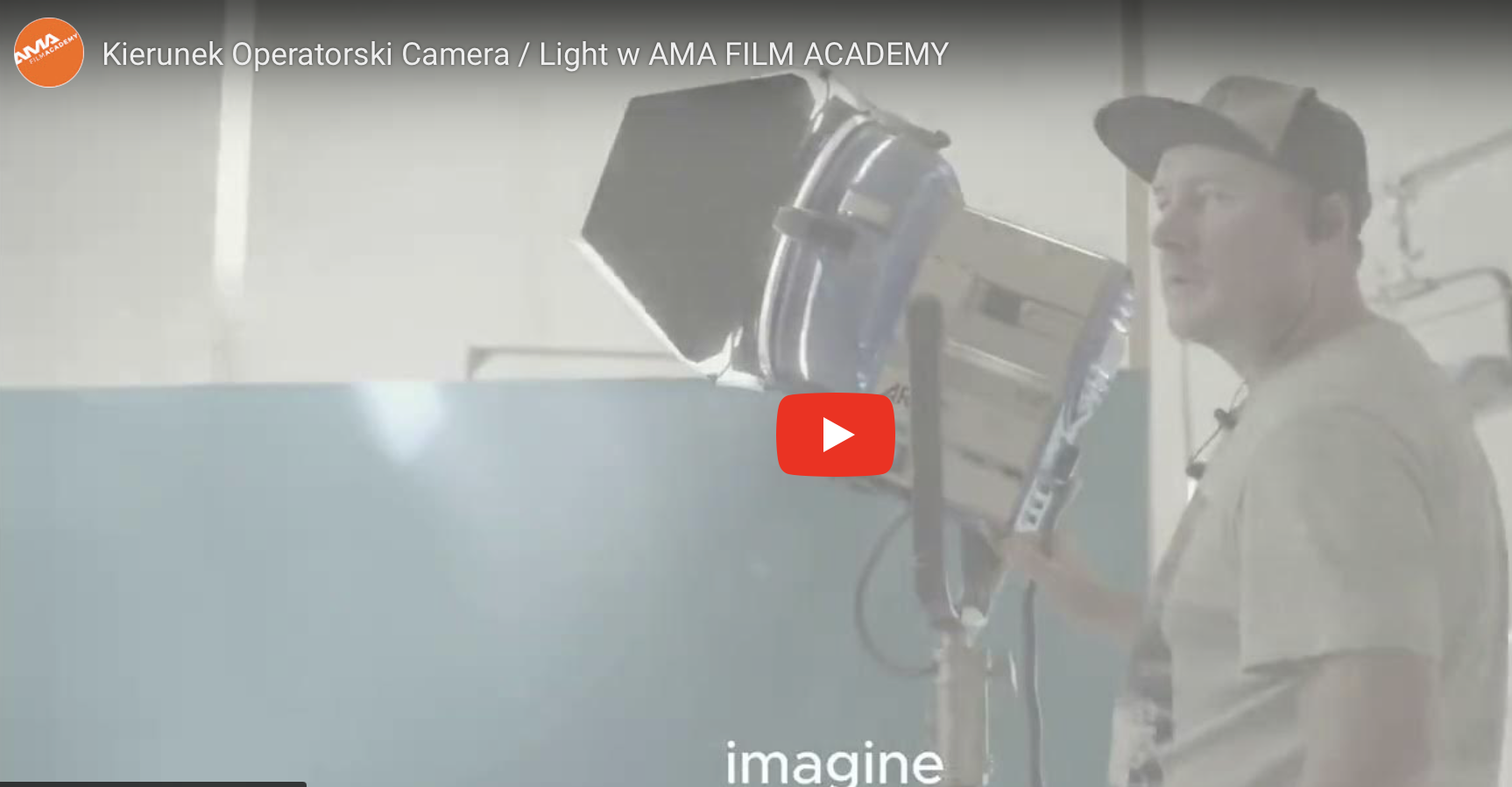
- A comprehensive overview of all types of film lighting: HMI, Tungsten, LED, Fluorescent
- Innovative lighting technologies, including smart LED systems, that are revolutionizing the way light is shaped on set.
Program flexibility:
- The course’s modular structure allows participants to choose a specialization in the second semester—whether as a camera operator, assistant camera operator, focus puller, or gaffer—tailoring their studies to their individual interests and career goals.
- Collaboration with international experts and industry professionals, which fosters a global understanding of filmmaking techniques and practices. In this regard, AMA benefits from its partnership with PRG Cinegate in Berlin.
Practical Application:
- Course participants work on real or simulated film projects, ranging from commercials to documentaries to feature films.
- We collaborate with leading equipment companies in Poland, such as Heliograf (Lighting, Cameras, LED Virtual Production), Panavision Polska (Cameras, Grip), and Grip Seven (Dolly, Cranes). Technocrane, Rigs) ensures access to professional equipment and the latest technologies.
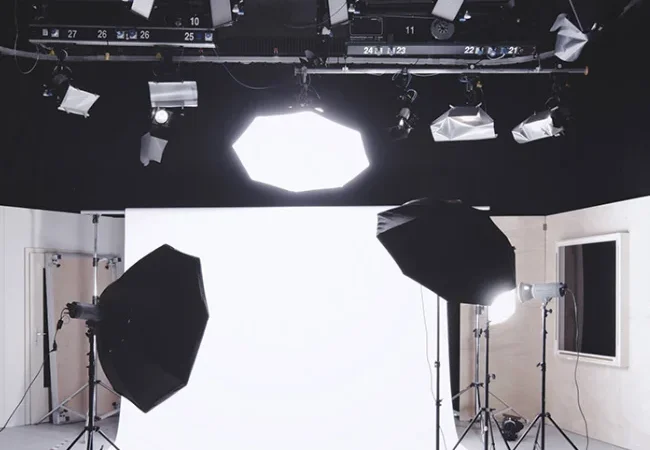
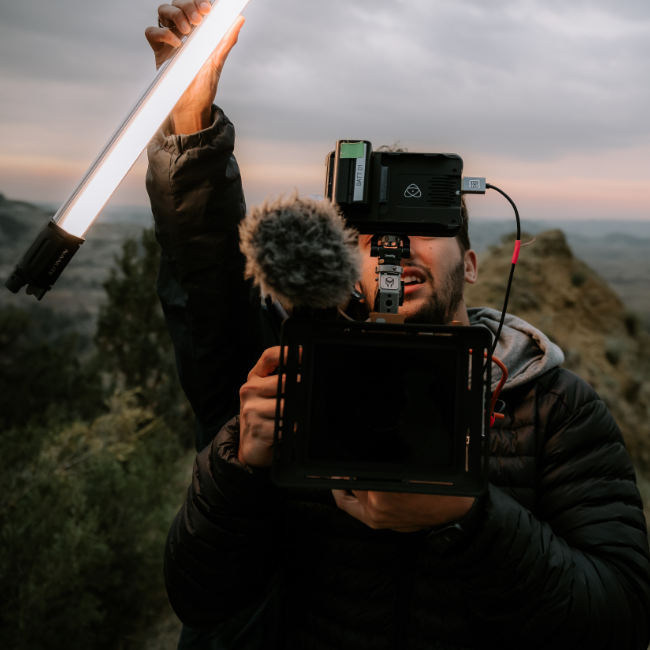
- Regular classes at our film studio (Cyberpunk Studio) and on outdoor sets, where students can practice in real-world film production environments.
Module 1 – Theory and Practical Fundamentals:
-
- General Cinematography: The course covers the art of cinematography, film language, cinematography technology, and the fundamentals of filmmaking.
- Professional Skills: Participants learn how to work with a camera, panning techniques, image composition, aesthetics, practical optics, how to operate all types of cameras, lighting techniques, and the technology behind film lighting.
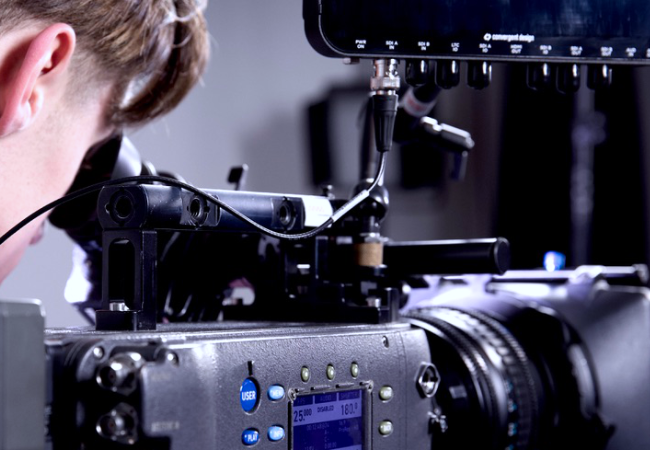
- Image Capture Technologies: Learning how to operate Arri, Sony, Panavision, Panasonic, Blackmagic, Z-Cam, and Canon cameras, as well as the principles of exposure metering, the construction of digital and analog cameras, and optical systems
Module 2 – Advanced Practical Skills:
- Specialized Practicum: Classes focused on the roles of camera assistant and camera operator, lighting techniques, and working with the grip crew.
- Advanced Camera Operation Techniques: Participants gain experience working with advanced equipment, including camera cranes, various types of dollies, and 35 mm and digital film cameras.
- Practical exercises in panning —these make up a significant portion of the practical classes
- Film Projects: Group film exercises that allow students to apply what they have learned in practice.
Faculty: The faculty consists of experienced cinematographers, assistants, DIT specialists, video specialists, focus pullers, gaffers, and film technicians, ensuring access to the latest industry knowledge and practices.
Program Objective:
- Module 1: Introduction to the basic requirements of the profession, the art of cinematography, and preparation for working on a film set.
- Module 2: Developing skills in working with advanced camera and lighting equipment, gaining a thorough understanding of current technologies, and learning to collaborate as part of a film crew.
Key Topics—Optical Design, Practical Experience with Focus Adjustment and Optical Testing, Understanding of Space, Camera Movement, Focusing Techniques and Technologies (Mechanical and Wireless), Camera Maintenance, Basics of Filtering, Design and Use of Camera Accessories, working with 35 mm film and digital cameras, working with anamorphic lenses, image definition.
Professional Skills— principles of film set lighting, lighting techniques, types of light sources, lamp construction, principles of power supply, design and operation of electrical and grip equipment, learning the full technical and professional terminology in 3 languages, general principles of exposure metering, light and color measurements, interpretation of test charts, principles of film equipment transport, power generators, lighting at night, during the day, indoors, in the studio, and on location. Green Film Making. Principles of camera movement, the art of movement and continuity, dolly techniques: all types of manned and unmanned camera movements, mechanical cranes, and cranes with remote heads. Equipment construction and maintenance; operation of electronic and mechanical components. Maintenance, storage, and transport of grip equipment. Learning the diverse tasks of the grip crew in Polish, European, and American film productions (hands-on training).
Students collaborate with professional rental companies and film production companies, shoot short films for students in the Directing and Cinematography programs at AMA, and work with actors.
Camera/Light Film Production Diploma in Warsaw
To complete the course and receive a diploma, students must pass both the theoretical and practical exams. Students who pass the exams receive an AMA FILM ACADEMY Diploma.
A program supported by the Polish Film Institute
The partners of the program are

Related courses
Cinematography
A day-long course on the camera, lighting, composition, and the cinematographer's role on set.
Cinematography
A two-year program focusing on the camera, lighting, composition, and the cinematographer's role on set.
Course curriculum
Registration Guide
Recruitment begins on:
Class date:
Exam fee:
Accident Insurance:
Entry fee:
Semester fee:
Tuition: 6,500 PLN per semester
Payable in advance for the semester by:
November 5, or in monthly installments due by the 5th of each month
November 5 – February 5: 1,790 PLN
Practice
The course will cover the following practical topics:
Integration of AI Tools into Operational Practice
- automatic camera settings
- the use of AI to automatically adjust exposure, white balance, and focus settings
- image analysis and enhancement –
Camera Technology and Operation
- hands-on training with various professional film and digital cameras
- camera menu settings, RAW and LOG technology
- Practice operating all types of digital cameras (Arri, RED, Sony, Panasonic, BMD, Canon, Z-Cam)
- Training in the use of semi-professional and DSLR cameras (Canon, Sony)
- Optics handling exercises: Zeiss prime lenses, Panavision, Cooke, Leica, Canon, Xeen, Irix, Fujinon zoom lenses, Angenieux
- Exercises on Using Camera Peripherals
- wireless connectivity
The Art and Science of Lighting
- Lighting Workshops for Operators
- Light in the studio, outdoors, and in natural interiors
- Manual exercises with power cords
- Practical exercises with lighting stands
- Hands-on exercises with lighting fixtures
- Hands-on training with all types of film lights: Tungsten, HMI, Fluorescent, LED
- diffusion and reflection exercises
- the practice of projecting, masking, and shaping light
- Colorful and Special Lighting
- Practical Application of Light Color Temperature Conversion
- natural light
- natural interior lighting
- Lighting for Decorations in the Studio
- overhead lighting, working with a lift
- power supply, generators, connections
Advanced Operating Techniques
- ship-to-ship transfer exercises
- Focusing Exercises
- Steadicam, stabilizers
- Practical workshops on staging
- camera tests
- Advanced optical and camera operator tests, conducted using state-of-the-art test charts for digital cinematography
- photos of vehicles in motion
- camera movement, tracking shot, grip, jib, dolly
- manual exercises involving fasteners and rigging
Practical Film Production
- Conducting a group camerawork exercise under the supervision of the instructor
- Organizing equipment for transport, in the studio, in the warehouse, and on set
- Organization of the lighting crew’s work on set
- collaboration with the operator
- Work Organization in the Rental Industry
- Internship at a rental company and on film sets – required
- Best practices and organization of digital photo backups
- simulation of various types of film sets; working with terminology in Polish and English
Theory
The course will cover the following theoretical topics:
- film analysis, examples of cinematographic lighting styles
- the basics of staging
- Fundamentals of Film Language – Telling a Story Through Images
- film analyses, examples of cinematographic style
- the basics of composition
- the theory of film lighting
- lighting technology
- Electrical and Power Engineering
- analog carrier technology
- digital switching technology
- cinematography
- Light in the studio, outdoors, and in natural interiors
- topics in econometrics
- optics
- color theory
- Issues in modern pre-visualization, the use of AI
- camera design
- cinematography
- optics
- manufacture of lighting fixtures
- theory of electricity
- grip – camera movement
- film analysis, examples of lighting, camera movement, and composition
- the basics of composition
- analog carrier technology
- digital switching technology
- cinematography
- Lighting in the studio, on location, and in natural indoor settings – lighting design
- Exposure Metering Concepts – Basic Information
- Digital Pre-Production and Post-Production – The Basics
- A short course on occupational nomenclature in Polish, English, and German
- theory of electricity
- theory of light
- the theory of lighting optics
- analog lighting technology
- digital lighting technology
- lighting technology
- Light in the studio, outdoors, and in natural interiors
- topics in exposure metering
- theory of color and color temperature
- The Theory of Light in Film
- the theory of diffusion and reflection
Faculty Members in the Following Programs
Faculty members teaching courses in the following major:
- Jarosław Żamojda – cinematographer, director
- Bogumił Godfrejów – cinematographer
- Jacek Fabrowicz – cinematographer
- Krzysztof Mieszkowski – camera operator
- Julo Sus – camera operator
- Jarosław Wierzbicki – Steadicam operator, camera assistant
- Sławomir Chyla – focus puller
- Leszek Strąbski – DIT
- Filip Kovcin – Process Engineer
- Tomasz Fritz – Assistant
- Jerzy Irzyk – gaffer
- Marek Fudali – gaffer
- Marek Modzelewski – gaffer
- Robert Woźniak – Canon
- Paweł Królak – Technologist – Panavision
Admission Requirements
To apply for admission to the Camera/Lighting Operator program, you must take an entrance exam in the form of an interview. If you have any work in the fields of film, photography, visual arts, or literature, you may present it during the interview—this is an added advantage, not a requirement.
We schedule interview dates with participants on an individual basis.
If you’d like, you can also send your resume or portfolio to the following email address: rekrutacja@amafilmacademy.pl
Registration Guide
Recruitment begins on:
Class date:
Exam fee:
Accident Insurance:
Entry fee:
Semester fee:
Tuition: 6,500 PLN per semester
Payable in advance for the semester by:
November 5, or in monthly installments due by the 5th of each month
November 5 – February 5: 1,790 PLN
Practice
The course will cover the following practical topics:
Integration of AI Tools into Operational Practice
- automatic camera settings
- the use of AI to automatically adjust exposure, white balance, and focus settings
- image analysis and enhancement –
Camera Technology and Operation
- hands-on training with various professional film and digital cameras
- camera menu settings, RAW and LOG technology
- Practice operating all types of digital cameras (Arri, RED, Sony, Panasonic, BMD, Canon, Z-Cam)
- Training in the use of semi-professional and DSLR cameras (Canon, Sony)
- Optics handling exercises: Zeiss prime lenses, Panavision, Cooke, Leica, Canon, Xeen, Irix, Fujinon zoom lenses, Angenieux
- Exercises on Using Camera Peripherals
- wireless connectivity
The Art and Science of Lighting
- Lighting Workshops for Operators
- Light in the studio, outdoors, and in natural interiors
- Manual exercises with power cords
- Practical exercises with lighting stands
- Hands-on exercises with lighting fixtures
- Hands-on training with all types of film lights: Tungsten, HMI, Fluorescent, LED
- diffusion and reflection exercises
- the practice of projecting, masking, and shaping light
- Colorful and Special Lighting
- Practical Application of Light Color Temperature Conversion
- natural light
- natural interior lighting
- Lighting for Decorations in the Studio
- overhead lighting, working with a lift
- power supply, generators, connections
Advanced Operating Techniques
- ship-to-ship transfer exercises
- Focusing Exercises
- Steadicam, stabilizers
- Practical workshops on staging
- camera tests
- Advanced optical and camera operator tests, conducted using state-of-the-art test charts for digital cinematography
- photos of vehicles in motion
- camera movement, tracking shot, grip, jib, dolly
- manual exercises involving fasteners and rigging
Practical Film Production
- Conducting a group camerawork exercise under the supervision of the instructor
- Organizing equipment for transport, in the studio, in the warehouse, and on set
- Organization of the lighting crew’s work on set
- collaboration with the operator
- Work Organization in the Rental Industry
- Internship at a rental company and on film sets – required
- Best practices and organization of digital photo backups
- simulation of various types of film sets; working with terminology in Polish and English
Theory
The course will cover the following theoretical topics:
- film analysis, examples of cinematographic lighting styles
- the basics of staging
- Fundamentals of Film Language – Telling a Story Through Images
- film analyses, examples of cinematographic style
- the basics of composition
- the theory of film lighting
- lighting technology
- Electrical and Power Engineering
- analog carrier technology
- digital switching technology
- cinematography
- Light in the studio, outdoors, and in natural interiors
- topics in econometrics
- optics
- color theory
- Issues in modern pre-visualization, the use of AI
- camera design
- cinematography
- optics
- manufacture of lighting fixtures
- theory of electricity
- grip – camera movement
- film analysis, examples of lighting, camera movement, and composition
- the basics of composition
- analog carrier technology
- digital switching technology
- cinematography
- Lighting in the studio, on location, and in natural indoor settings – lighting design
- Exposure Metering Concepts – Basic Information
- Digital Pre-Production and Post-Production – The Basics
- A short course on occupational nomenclature in Polish, English, and German
- theory of electricity
- theory of light
- the theory of lighting optics
- analog lighting technology
- digital lighting technology
- lighting technology
- Light in the studio, outdoors, and in natural interiors
- topics in exposure metering
- theory of color and color temperature
- The Theory of Light in Film
- the theory of diffusion and reflection
Faculty Members in the Following Programs
Faculty members teaching courses in the following major:
- Jarosław Żamojda – cinematographer, director
- Bogumił Godfrejów – cinematographer
- Jacek Fabrowicz – cinematographer
- Krzysztof Mieszkowski – camera operator
- Julo Sus – camera operator
- Jarosław Wierzbicki – Steadicam operator, camera assistant
- Sławomir Chyla – focus puller
- Leszek Strąbski – DIT
- Filip Kovcin – Process Engineer
- Tomasz Fritz – Assistant
- Jerzy Irzyk – gaffer
- Marek Fudali – gaffer
- Marek Modzelewski – gaffer
- Robert Woźniak – Canon
- Paweł Królak – Technologist – Panavision
Admission Requirements
To apply for admission to the Camera/Lighting Operator program, you must take an entrance exam in the form of an interview. If you have any work in the fields of film, photography, visual arts, or literature, you may present it during the interview—this is an added advantage, not a requirement.
We schedule interview dates with participants on an individual basis.
If you’d like, you can also send your resume or portfolio to the following email address: rekrutacja@amafilmacademy.pl
Learn with us. Explore the world of film!
Get inspired by film and learn from the best. Gain a modern profession and work professionally in the film industry. Check the current enrolment.
Enrol at AMA