


Course description
The Basic Film Course at AMA FILM ACADEMY covers filmmaking techniques, the operation of modern digital cameras, the fundamentals of directing, film staging, and cinematography, as well as selected topics in the language of film.
Introductory Film Course
The first level of film education. It provides the basic skills of a film producer.
AMA Certificate
After passing the final exam
In addition,
Real-World Film Projects
: Your Own Short Film + Cinematography Exercises
Professional equipment
Cameras, lights, sound, studio
Duration
Weekend mode
Saturdays and Sundays, 10:00–18:00
3 months of intensive study
5 sessions, 2 days each
Start your education in this course

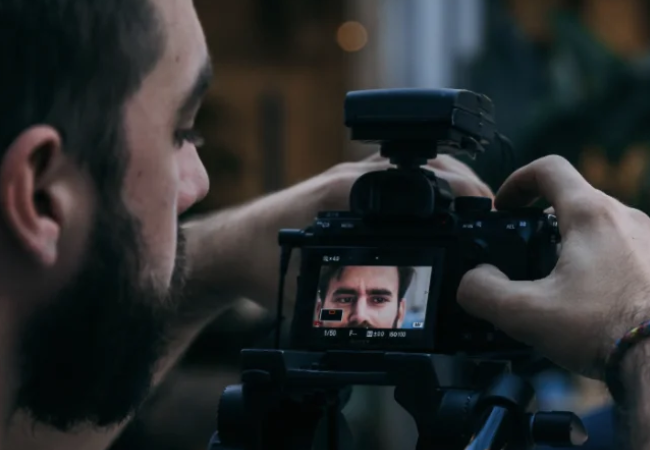
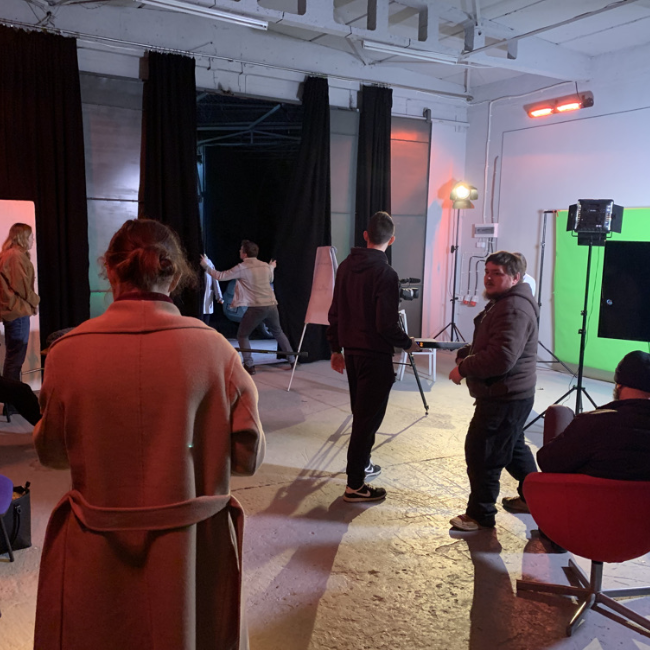
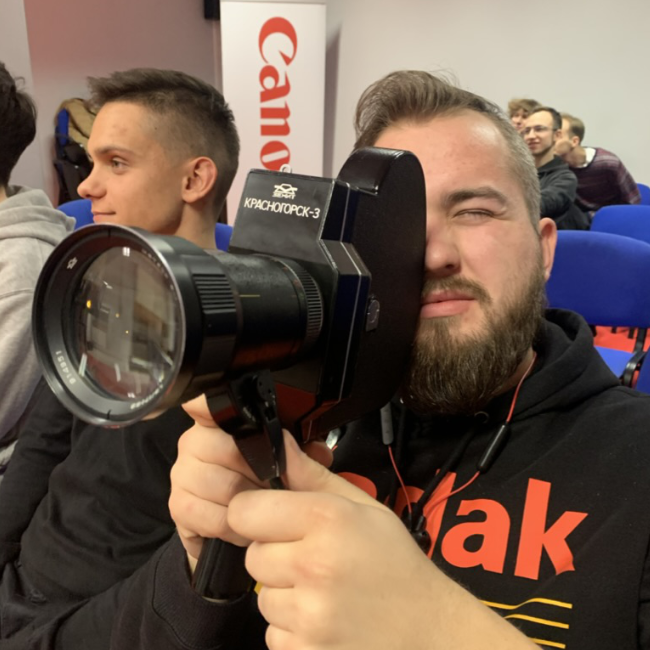
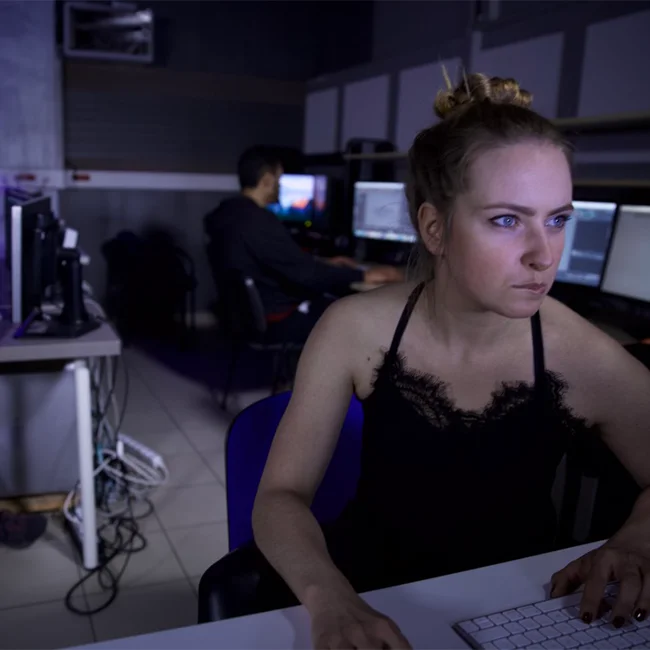
Level 1 in Film Skills
The Introductory Film Course at AMA FILM ACADEMY is an intensive, fully hands-on program that introduces students to filmmaking and the art of working with images.
The Introductory Film Course is for people who want to start creating professional audiovisual content, ranging from short online videos to documentaries and commercials, all the way to their first attempts at feature films.
The course prepares students for careers as video producers, camera operators, and creators of short films.
The program combines solid technical knowledge, creative workshops, and hands-on work on film sets.
OBJECTIVE
Building a solid foundation in filmmaking and bringing your own project to life
The goal of this course is to teach you how to independently produce a short film, from the initial concept to the final edit.
You’ll learn about the language of film, the principles of storytelling, camera work, set organization, lighting, and editing.
You’ll learn the basics of directing documentaries and feature films.
The end result is an original, colorful film project, which is presented during the exam.

PROGRAM
The 5 Pillars of Modern Film Education
1. Filming and Cinematography
– operating modern digital cameras and DSLRs
– framing, camera movement, working with stabilization
– principles of exposure and conscious image composition
– practical cinematography workshops and panning exercises
2. Screenplay and Narrative
– Building a Story and Film Structure
– Developing an Idea, Logline, and the Basics of Dramaturgy
– Creating Simple and Effective Narrative Forms
3. Film Technology and Lighting
– working with professional cinematography equipment
– lighting in film: theory and practice
– exposure, image quality, formats, workflow
4. Documentary and Feature Film Directing
– on-set management
– working with actors and documentary subjects
– staging, setting up scenes, shot planning
5. Post-production and editing
– video editing, rhythm, pacing
– basics of color correction
– preparing the final version of the film
AMA NeonVision – New Technologies & AI
– the use of AI in pre-visualization
– tools supporting graphics, post-production, and concept development
– modern workflows combining film and digital technologies
Own work
– creative sessions, consultations, film production
– developing individual style and visual sensitivity
FACULTY
You’ll learn from industry professionals
The classes are taught by cinematographers, directors, TV producers, editors, and creators who are actively working in the industry.
You’ll learn about the realities of working on set for commercials, documentaries, and feature films.

FOR WHOM
For people who want to enter the world of film the right way
This course is ideal for:
– people starting from scratch,
– web developers and content creators,
– future film students,
– people who want to film and edit with a clear purpose,
– anyone who wants to gain practical filmmaking skills.
WHAT WILL COURSE PARTICIPANTS GAIN?
Learning Outcomes – Real-World Skills You’ll Take with You When You Graduate from AMA
After completing the Basic Film Course, participants will be able to independently carry out the entire process of creating a short audiovisual piece—from concept to final edit. They gain practical, industry-relevant skills that enable them to successfully enter the industry or create professional content for their own needs.
After completing the course, the participant:
1. Skillfully operates video cameras and DSLRs
– knows how to set exposure, focus, and white balance intentionally,
– is familiar with the basic camera modes and understands their applications,
– is able to compose a professional, stable shot.
2. Creates visually appealing shots
– understands image composition and the principles of cinematic narrative,
– is able to use camera movement, perform pans, and stabilize the image,
– knows how to use light in practical situations.
3. Knows the basics of directing
– can direct a simple scene in a documentary or fiction film,
– knows how to work with an actor or subject,
– plans shots and manages a straightforward film set.
4. Writes short screenplays
– builds a story and creates dramatic tension,
– understands the logline, structure, and rhythm of a film narrative,
– is able to develop an idea into a short narrative form.
5. Edits and prepares videos for publication
– knows the basics of editing and can put together their own project,
– understands rhythm, pacing, and narrative structure in post-production,
– performs basic color correction and exports footage.
6. Understands modern film workflows
– is able to work with footage from shooting through post-production,
– is familiar with basic video formats, codecs, and file structures,
– is familiar with on-set operations and the division of roles on set.
7. Can use new technologies and AI
– is familiar with tools that support pre-visualization and the creative process,
– knows how to use basic AI solutions for image processing and editing.
8. He has his own short film in his portfolio:
. This is his first real project, which allows him to:
– start building his portfolio,
– showcase his skills to a client or recruiter,
– move on to the next stages of his film education.
9. Receives the AMA Film Academy Certificate
—an official document confirming the competencies acquired at the basic level.

EQUIPMENT
AMA’s Full Range of Technical Support
Participants have access to:
– professional cameras and lenses,
– film lighting, microphones, tripods, and grip equipment,
– a photo studio,
– editing stations, and
– AMA’s large equipment rental service.
You work in conditions that meet industry standards.
CERTIFICATE
AMA FILM ACADEMY Certificate
After completing the course and successfully presenting your film project, you’ll receive an AMA certificate confirming the skills you’ve acquired. You’ll gain real-world value as you launch your film career.
ORGANIZATION AND DURATION
3 months of intensive study
Location: AMA Kraków
Course dates:
December–February
February–April
Structure:
– 3 months
– 5 sessions, 2 days each
– classes on Saturdays and Sundays, 10:00 a.m.–6:00 p.m.
Related courses
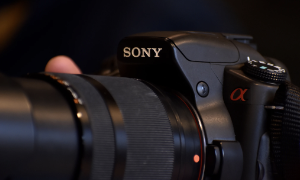
Introductory Film Course in Warsaw
The Basic Film Course at AMA FILM ACADEMY covers filmmaking techniques, the operation of modern digital cameras,...
Course curriculum
Registration Guide
Registration: starting November 9, 2025
Course start date: January 24, 2026
Dates: January 24, 2026 – March 22, 2026
Tuition: 4,500 PLN
Due no later than: January 24, 2026
Payment in installments:
December 19, 2025 – 1,500 PLN
January 19, 2026 – 1,500 PLN
February 19, 2026 – 1,500 PLN
Practice
The course will cover the following practical topics:
- documentary film production
- feature film production
- Lighting in Film – Workshop
- Hands-on exercises with the camera and camera movement – learning how to pan
- Advanced training in the use of video equipment and DSLRs
- picture framing
- audio post-production
- Production of a color film exercise
- review of the footage, correction of errors
Theory
The course will cover the following theoretical topics:
- elements of film language
- History of Film – An Overview
- principles of composition
- structure of a film
- Basic Installation Guidelines
- Principles of Narrative Film Staging
- Guidelines for the Production of Television and Online Commercials
- Guidelines for Producing Television and Online Documentary Films
- Guidelines for Producing Television and Online News Reports
- lighting in film
- Exposure and Image Quality
- image post-production
- general principles of film production, distribution in new media, and promotion
Faculty Members in the Following Programs
Faculty members teaching courses in the following major:
- Daria Lipko
- Michał Sosna
- Sebastian Strama
- Marcin Głowacki
- Piotr Paruch
- Dariusz Jarzyna
Admission Requirements
Requirements for Admission to the Introductory Film Course is to register online.
Registration Guide
Registration: starting November 9, 2025
Course start date: January 24, 2026
Dates: January 24, 2026 – March 22, 2026
Tuition: 4,500 PLN
Due no later than: January 24, 2026
Payment in installments:
December 19, 2025 – 1,500 PLN
January 19, 2026 – 1,500 PLN
February 19, 2026 – 1,500 PLN
Practice
The course will cover the following practical topics:
- documentary film production
- feature film production
- Lighting in Film – Workshop
- Hands-on exercises with the camera and camera movement – learning how to pan
- Advanced training in the use of video equipment and DSLRs
- picture framing
- audio post-production
- Production of a color film exercise
- review of the footage, correction of errors
Theory
The course will cover the following theoretical topics:
- elements of film language
- History of Film – An Overview
- principles of composition
- structure of a film
- Basic Installation Guidelines
- Principles of Narrative Film Staging
- Guidelines for the Production of Television and Online Commercials
- Guidelines for Producing Television and Online Documentary Films
- Guidelines for Producing Television and Online News Reports
- lighting in film
- Exposure and Image Quality
- image post-production
- general principles of film production, distribution in new media, and promotion
Faculty Members in the Following Programs
Faculty members teaching courses in the following major:
- Daria Lipko
- Michał Sosna
- Sebastian Strama
- Marcin Głowacki
- Piotr Paruch
- Dariusz Jarzyna
Admission Requirements
Requirements for Admission to the Introductory Film Course is to register online.
Learn with us. Explore the world of film!
Get inspired by film and learn from the best. Gain a modern profession and work professionally in the film industry. Check the current enrolment.
Enrol at AMA